









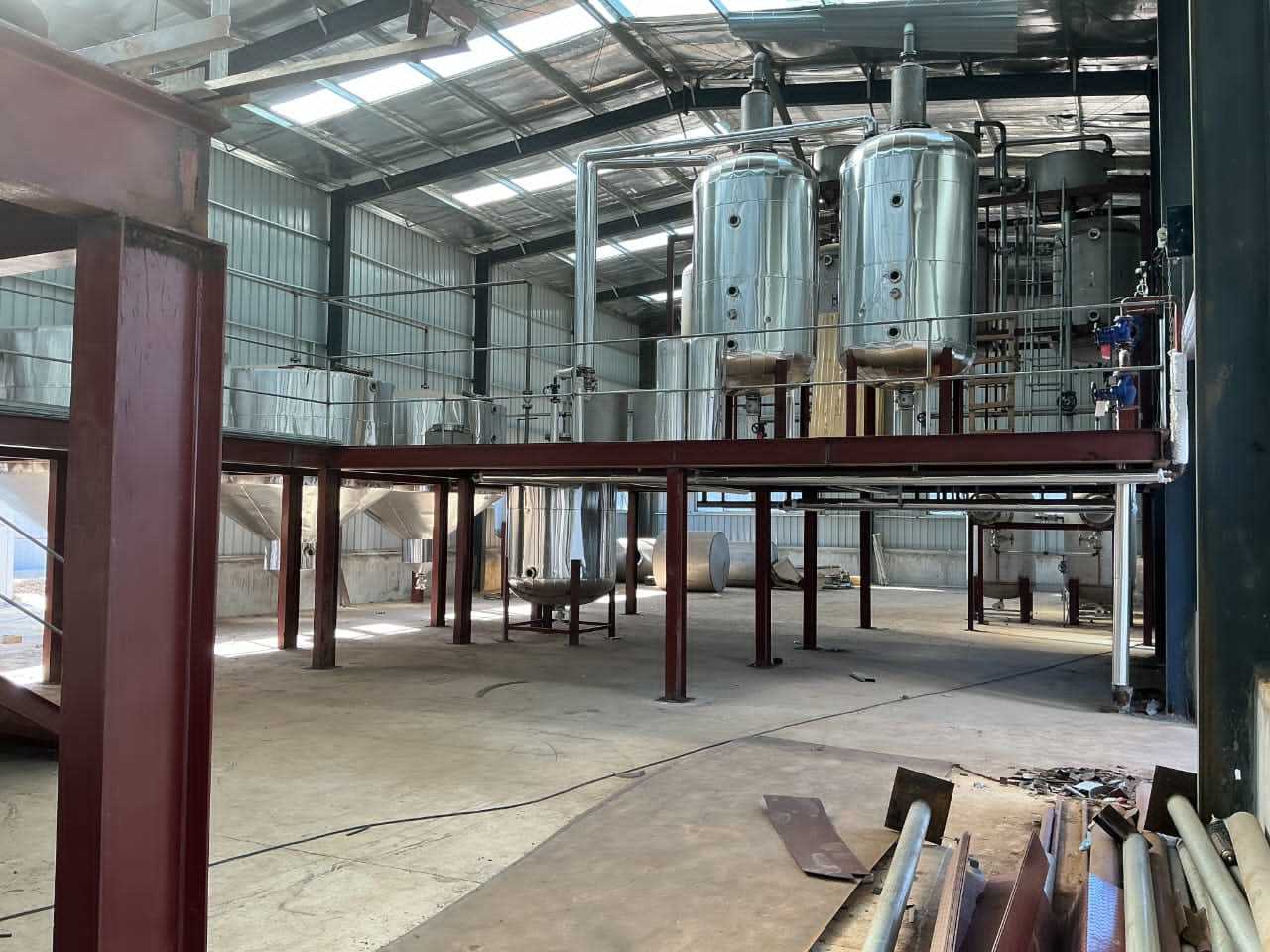
Zimbabwe is poised to significantly expand its industrial footprint with the near completion of a US$5 million pine resin processing plant in Manicaland. Developed by Komo Pvt Ltd, the facility is currently 90 percent complete, with commissioning scheduled for later this year following a construction phase that began in October 2025. This project is expected to strengthen local value addition and drastically reduce the nation's reliance on imported industrial inputs.
The Ministry of Industry and Commerce has hailed the development as a cornerstone of its current industrialisation drive. In a recent statement, the Ministry described the facility as “another key milestone,” emphasizing its potential for massive social impact. Officials noted that the plant will employ “over 3000 locals,” positioning the venture as both a strategic value-addition initiative and a critical intervention for rural employment.
By establishing this facility, Zimbabwe enters a niche yet vital segment of the global chemicals market. Pine resin serves as a versatile raw material essential for the production of tyres, paints, adhesives, and various electronics.
Related Stories
With the global pine chemicals market currently valued at over US$5 billion, Zimbabwe stands to gain significant export upside. Historically, the country has exported raw forestry products with minimal processing, capturing only a fraction of their potential value. The Komo project signals a decisive policy shift toward beneficiation, aiming to build domestic manufacturing capacity and curb import dependence.
However, the project faces scrutiny regarding its long-term sustainability and the scale of its impact.
Analysts have raised questions concerning the labor dynamics, specifically whether a US$5 million investment can realistically sustain “over 3000” jobs in a processing segment that is typically capital-intensive. Furthermore, the long-term success of the plant depends on a steady supply of raw materials from Zimbabwe’s forestry sector, which has recently struggled with replanting cycles and fluctuating output.
Once operational, the facility will be the fifth resin processing plant in Africa. While this grants Zimbabwe a competitive edge, it also pits the nation against established players like South Africa, which boasts a more mature chemical industry.







Leave Comments